
What Is Atmospheric Water Generation?

Air holds water vapor. Atmospheric water generation (AWG) captures this moisture and turns it into potable water. However, the amount of water in the air depends on location, temperature, and relative humidity (RH). The last two factors impact AWG performance heavily.
There are two types of systems that capture and concentrate water vapor through condensation: condensation-based AWG and desiccant-based AWG. Both AWG systems produce liquid water through condensation, but they reach that point differently.
AWG will never fully replace traditional water infrastructure, but it’s an effective resilience tool in situations where typical water sources fail or aren’t viable.
Condensation-Based AWG
Condensation-based AWG systems are the most common, and they typically follow these four steps:
- Air intake. Air enters the unit through fans and is filtered.
- Cooling. The air passes over refrigerated coils that drop the temperature below its dew point.
- Condensation. Water collects in a tray before going into the storage tank.
- Purification. The water is relatively pure since it’s distilled vapor. It just needs to be sterilized using UV or Ozone and remineralized.
Desiccant-Based AWG
While less common, desiccant-based AWG systems attract and hold water through desiccant materials. This often includes silica gel, zeolites, and lithium chloride. Desiccant-based systems typically follow four steps:
- Air intake. Fans pass air through a desiccant wheel—water vapor attaches to the silica gel, zeolites, or lithium chloride.
- Desiccant regeneration. Heat is applied to the saturated desiccant via solar thermal collectors, waste heat, or electric resistance heaters. The desiccant-attached water vapor is then released into an air stream.
- Cooling. The air stream then passes through a condenser and collects as liquid water.
- Filtration. Once the water is collected, it’s filtered, disinfected, and remineralized. This ensures the water is chemically stable and potable-quality.
Where Are AWG Systems Used?
Atmospheric water generators aren’t cheap, which limits their applications. They’re often used as a water resilience tool or a solution where desalination or trucking isn’t realistic. AWG systems are typically feasible for disaster recovery situations, in arid regions, and for on-site resilience.
Here’s a brief breakdown of why AWG works in these specific scenarios.
Disaster Recovery Situations
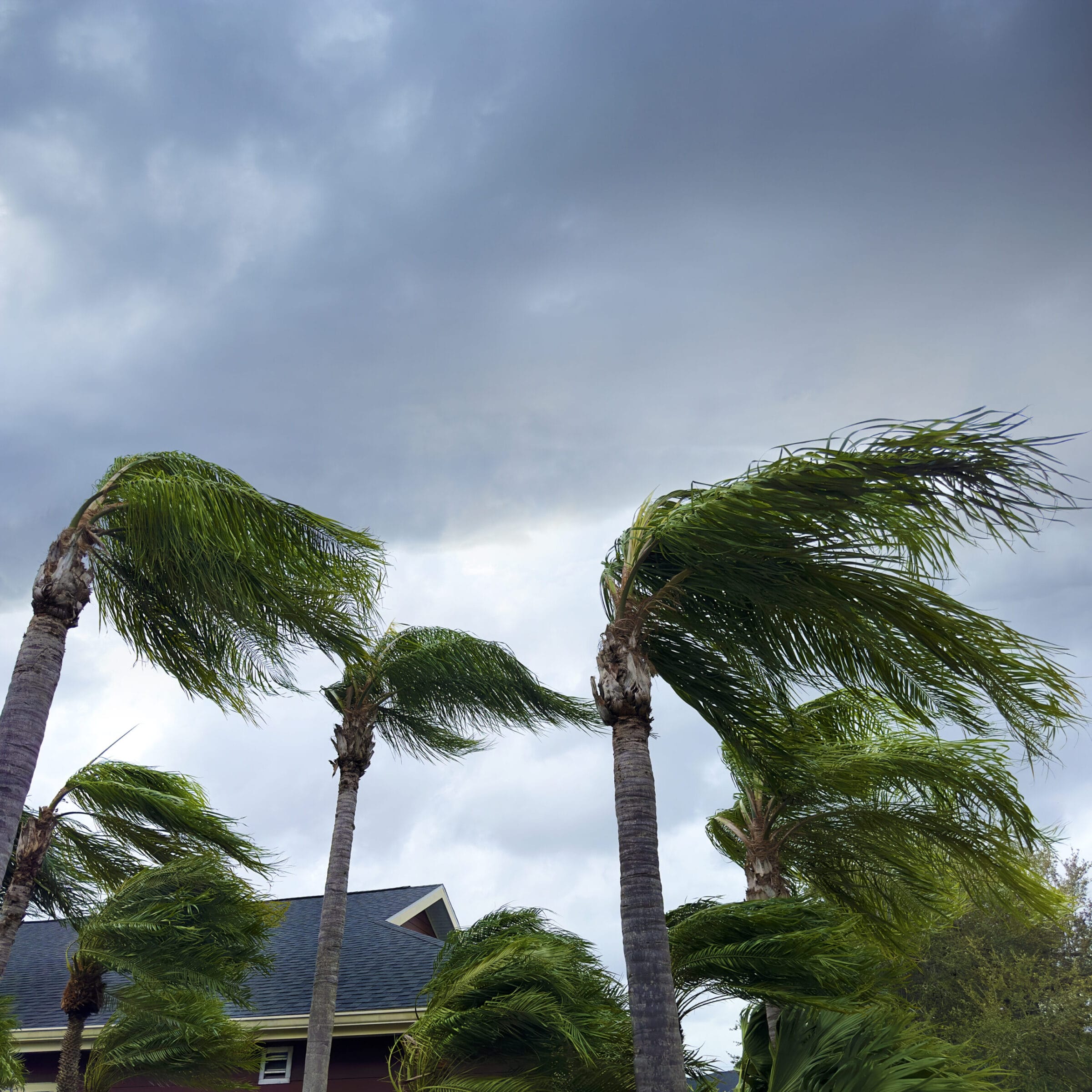
After hurricanes, wildfires, and floods, traditional water sources are inaccessible for weeks. Since AWGs work by collecting water from air, they can produce potable water even if traditional water intakes or pipelines are inaccessible.
Not to mention, potable water is essential in disaster recovery situations and must be made available as soon as possible. Most AWG systems are in ISO containers that are mounted on trailers. To operate, they simply require a power source and a flat surface to sit on.
Rather than relying on trucks to bring bottled water to a spot for people to retrieve, AWG systems can be placed at hospitals, fire stations, and in emergency shelters. This improves access while simplifying distribution.
Arid Regions
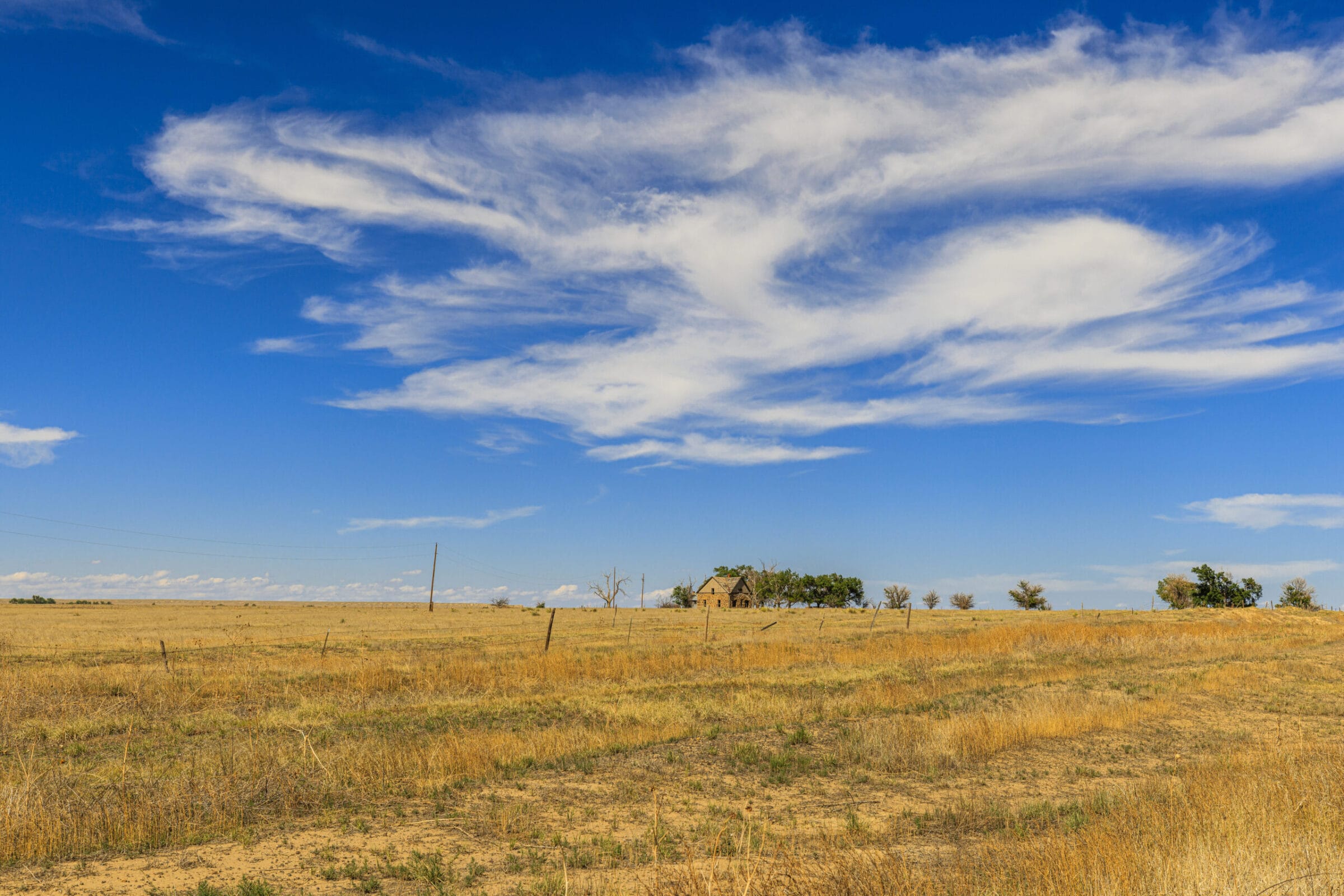
While desert regions are notoriously dry, the air still contains moisture. When the temperature changes from hot to cool overnight, RH spikes significantly. This often makes AWG systems in arid areas most effective during the early morning hours.
In addition, trucking water is expensive, and natural waterways are scarce in arid regions. However, AWG can be just as costly due to its high energy use. It often comes down to whether energy use is more efficient than desalination or trucking. Typical AWGs consume between 0.4 to 1.0 kWh per liter of water produced, though Origen’s units are designed to be more energy-efficient, reducing operational costs significantly by generating water at as low as 0.25 kWh per liter.
Energy efficiency can vary based on humidity levels and the specific technology used; the majority of traditional AWGs can’t harvest water efficiently below a 50°F dewpoint. Origen AWGs, on the other hand, can operate as low as a 41°F dewpoint, demonstrating water generation in conditions as dry as 110°F and 15% Relative Humidity.*
AWG can offset desalination and trucking costs if the system is located in an area that is mostly warm throughout the year. Fortunately, most arid regions have high solar availability and off-grid potential, making it a feasible option in many areas in the southern and western U.S.
It’s worth noting that AWGs are not a good fit for municipal systems. They work best in strategic locations like hospitals, military bases, and safety sites. As of now, they cannot operate effectively as large-scale infrastructure.
*Final performance specifications are subject to engineering validation and testing and may vary from the values shown.
On-Site Resilience
AWGs can also serve as a backup water source for commercial and industrial facilities like data centers, food and beverage processing, chemical manufacturing, or labs. These systems align well with how these facilities manage risk and water quality.
With an AWG, industrial and commercial facilities aren’t forced to rely on distribution mains, groundwater, or water treatment plants. Since they only require air to produce water, these systems will continue to produce water as long as power is available and the location is within dewpoint operating conditions.
Having constant access to water is essential for so many industries, as losing even one hour of production can cost tens of thousands of dollars. This financial loss will quickly exceed the cost of keeping an AWG system up and running.
Is AWG Right for You?
If you find yourself in one of the situations above, atmospheric water generation could be a strong fit for your operation. But before fully committing to AWG, ask yourself the following questions.
- Are natural disasters or supply disruptions common in your area?
- Are water trucking or desalination costs cutting into your budget?
- How long could your facility function if you lost access to water for several days?
- Do you have access to reliable power or solar energy?
- Does your location have consistent humidity?
AWG requires real investment, and it’s not the right fit for everyone. But for communities and industries that can’t afford to lose water access, it offers independence from water pipelines and trucks. If your answers to the questions above are pointing toward the AWG route, the next step is to assess your local climate conditions.
Water resilience doesn’t feel urgent until it is; AWG is an investment that’s easier to make before a crisis than during one.