Resilience Isn’t a Backup Plan. It’s Never Needing One.
Resilience is being prepared when critical points are finally reached.
For large utilities and institutions, resilience means offsetting the impact they have on the local ecosystem.
“When you’re working in a deficit or even close to equilibrium, it puts a lot of stress on the environment and the ability for the ecosystem to stay in homeostasis,” says Walt Waetjen, senior director of product and business development for Therma-Stor and Origen. “Typically, you’re going to want to work in a surplus.”
Texas is a prime example of what happens when a region doesn’t listen to that advice. After working in a deficit for years, it has depleted many of the underground aquifers it relied on as a “backup solution.” Corpus Christi was even at risk of running out of water by 2028.
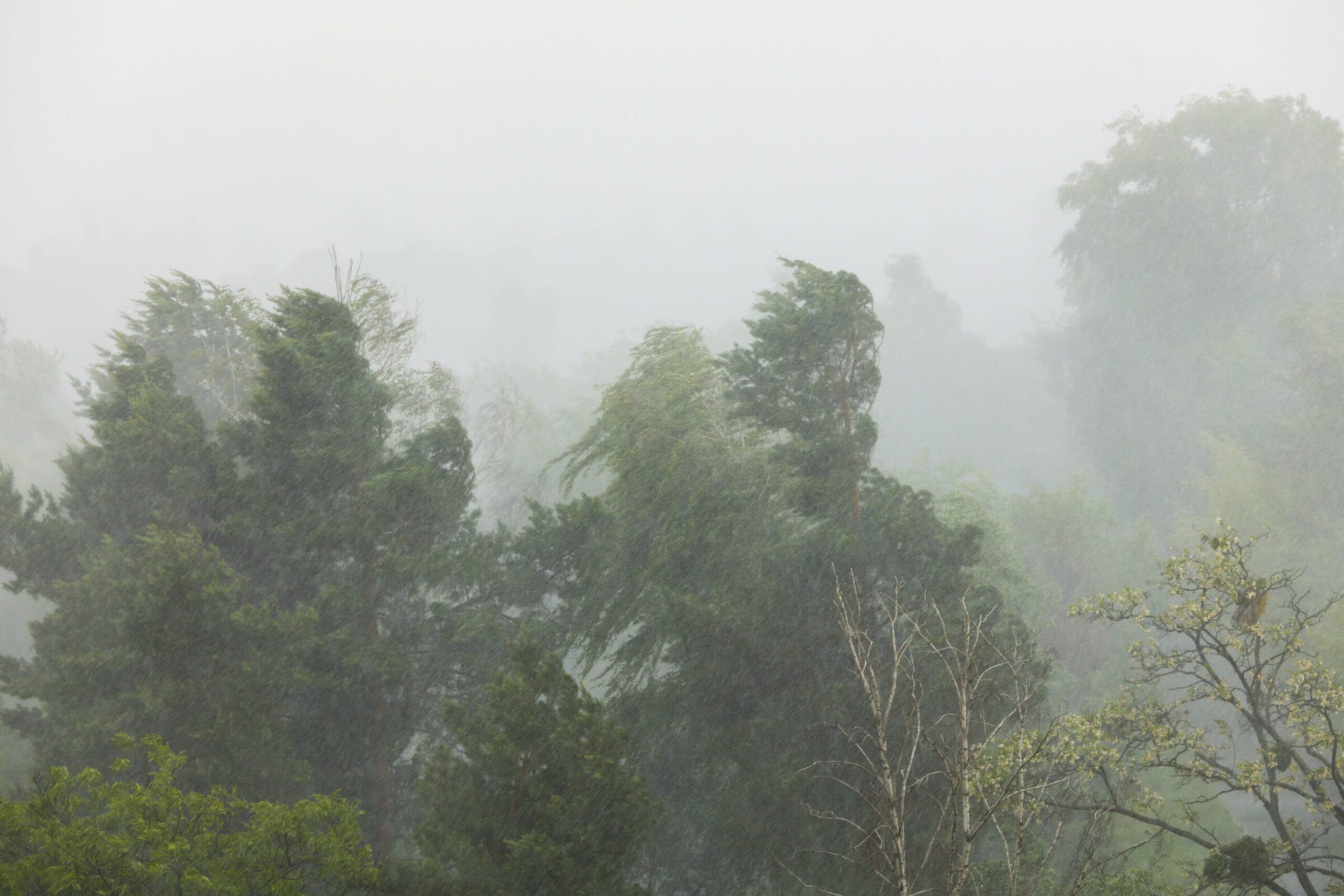
Then, over the last three weeks, the city got a lot of rain—delaying that risk for another few years.
But that relief is deceptive. “Everybody now thinks that the pressure is off, but it’s really not,” he explains. “They might have temporary reprieve, but all of the underground aquifers have been depleted and they’re still too rainfall dependent in a region that is drought prone.”
That buffer is gone. It won’t take much for the city to get right back to where it started.
Resilience is being prepared when critical points like this are finally reached. Corpus Christi’s rain didn’t fix anything, it just bought time. And the distinction between a real fix and temporary relief is what separates resilience from the things people mistake for it.
Redundancy Is Resilience
Reliability, redundancy, and sustainability often get used interchangeably, but they’re not the same thing—aquifers are a good way to spot the difference. They were Corpus Christi’s redundancy: a backup system built exactly for this kind of moment. Now that it’s gone, the city has lost its margin for error, even if the reservoirs look fine today.
“To me, resilience is the ability to weather variables and have secure supply on demand when it’s needed in the face of a critical emergency,” Waetjen explains. “I think redundancy leads up to resilience.”
In his framing, redundancy is a subcategory of resilience while sustainability is what maintains both. But sustainability is usually the first thing cut when faced with a challenge. “Unfortunately, this is the way we’ve approached water over the last several decades,” he adds.
That trade-off—sacrificing sustainability for short-term flexibility—plays out differently depending on who makes the decision.
The Real Resiliency Picture
The difference between public and private resilience ultimately comes down to funding.
“Private institutions have guidelines and laws, but they can also pay their way out of a situation and there isn’t as much oversight,” Waetjen says. “They can be more selective of how responsible they want to be when they’re taking on the sustainability angle.”
That picture looks much different for public institutions.
“Public institutions have a lot more restrictions and oversight, and it’s not always possible to pay your way out of a situation without asking the federal government for help,” he explains. “There is a big legal obligation for water utilities in the U.S.”
If water operators fail to adhere to federal regulations, they could face criminal penalties—stakes that private institutions simply don’t carry in the same way.
Using AWG for Resiliency
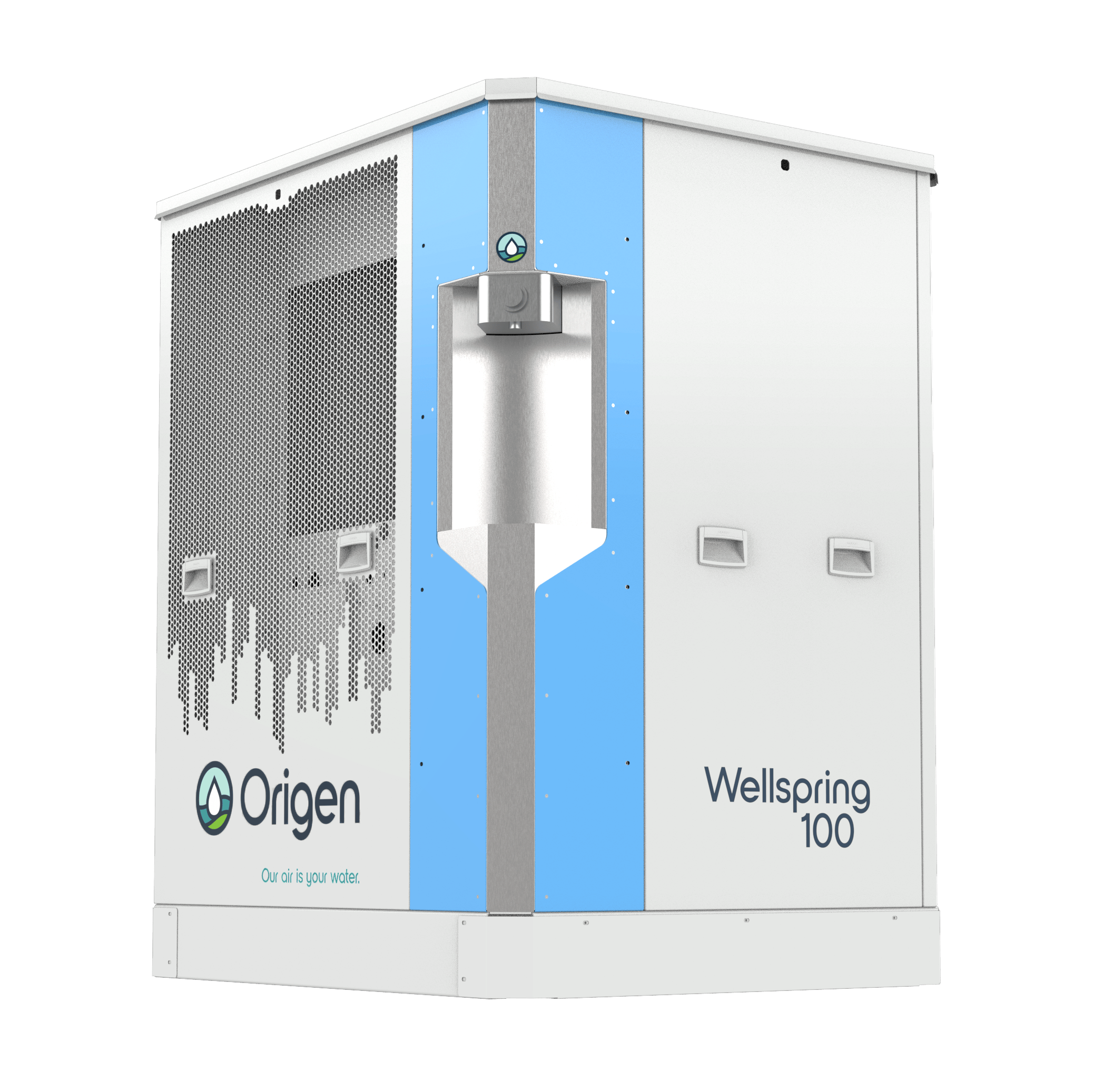
AWG makes a promising case for resilience in households, organizations, and military institutions.
“Right now, we’re at the scale where AWG makes the most sense economically to produce water for single-family residences, off-grid living, point-of-use applications, and small-scale bottling and brewing,” Waetjen says. “Then, localized production for military activity, which supports both physical and cybersecurity resilience.”
In five to 10 years, AWG will make more economic sense to implement on an agricultural and utility scale. Even farther down the road, AWG could help with more pressing, dire water challenges.
“Restoring watersheds would be ideal at some point, but we won’t get there until much later,” he says. “Data centers is another easy topic to jump on right now, but we won’t be able to economically address the kind of water needed to offset large data center usage for a bit.”
Getting there faster depends less on demand than cost. The best way to make large-scale AWG feasible is pairing it with renewable energy, as it improves capital costs while cutting operational costs substantially. The payoff shows up clearly at retail:
- Bulk water: $1.50 per gallon
- Bottled water $3 per gallon
- AWG: $0.35 per gallon, with capital costs factored in*
“It makes sense if institutions can stomach the upfront costs,” he says. “But if we can figure out a way to finance that, the all-in cost is much more appealing economically than these other sources of water.”
In order to address those needs, AWG’s cost, scope, and scale need to progress, but the direction is clear.
Corpus Christi’s depleted aquifers are a preview of what happens when a region runs out of redundancy and has no fast way to rebuild it. AWG won’t replace watersheds or bail out a city overnight, but it’s a path that lets an institution supply water on its own terms instead of waiting for rain or federal funding to buy it more time.
*Final performance specifications are subject to engineering validation and testing and may vary from the values shown.