AWG vs. Desalination: The Superior Solution for Coastal and Arid Region Water Needs

Cost, Kilowatts, and Capacity: The Metrics That Matter
Every gallon of water carries a cost—of energy, carbon, and capital. Before you commit resources, ask the crucial question: Is it wiser to wring water from the air or strip salt from the sea?
As demand rises, Atmospheric Water Generators (AWGs) and seawater desalination plants offer two very different paths to the same goal. Below, we compare these two solutions across four key decision-making pillars—Infrastructure and Implementation, Energy and Environment, Scalability, and Total Cost—so you can align your water strategy with your mission.
Plug In or Build Big? The Infrastructure Divide
Desalination makes sense for cities, not for businesses. These plants require massive up-front investments, complicated marine intake systems, and years of engineering and environmental review. A large desal project can take 18 to 36 months just to get permitted before a single drop of water flows.
AWGs, by contrast, are ready when you are. These self-contained systems condense moisture directly from the air, require no pipelines, and can be installed in hours, not years. They’re ideal for resorts, farms, clinics, disaster relief operations, or any location where traditional water access is unreliable, expensive, or overly complex.
Energy Use & Environmental Impact: More Than Kilowatt-Hours
At first glance, desalination appears highly energy-efficient, consuming just 0.01 kWh per gallon of water produced, compared to 0.5 to 1.0 kWh per gallon for Atmospheric Water Generators (AWGs). But these raw numbers fail to reveal desalination’s hidden environmental costs—particularly the discharge of brine, the highly concentrated saltwater waste generated in the desalination process.
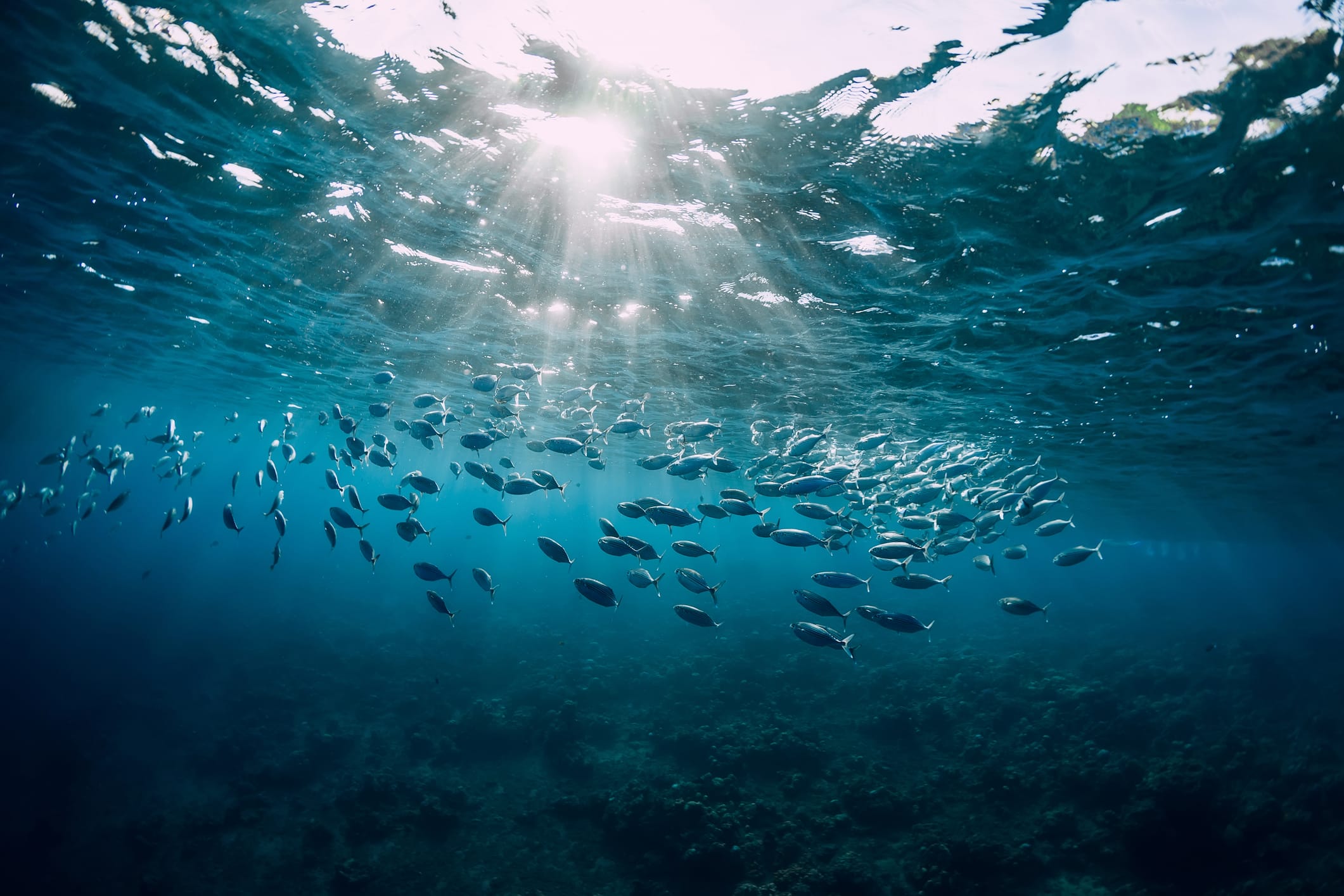
Discharging brine back into the ocean has a significant impact on marine ecosystems. The brine, denser and saltier than normal seawater, sinks to the seabed, creating areas of hyper-salinity that harm marine biodiversity, degrade habitats, and disrupt delicate ecological balances. These changes can devastate fish populations and affect the health of coral reefs, seagrass beds, and coastal wetlands, with long-term repercussions on local fisheries and economies dependent on marine resources.
In water-scarce regions like the American Southwest and coastal California, the environmental consequences of brine disposal become particularly pronounced. Coastal ecosystems, already stressed by climate change and human activity, struggle to recover from such disturbances. Inland areas attempting to utilize desalination face even greater hurdles, as they lack suitable sites for responsible brine disposal, causing potential harm to terrestrial wildlife and desert habitats when improperly managed.
In contrast, AWGs eliminate this environmental issue entirely. Though they require slightly more electricity per gallon of water, AWGs produce zero brine and can operate entirely on renewable energy sources such as solar and wind power. Solar-powered AWG farms have successfully provided sustainable water solutions in remote, off-grid environments, aligning perfectly with ambitious sustainability and conservation goals. This makes AWGs an increasingly attractive alternative to desalination, particularly in ecologically sensitive and water-stressed regions.
AWGs consume more electricity per gallon, but they produce no brine and can run entirely on renewable energy. Solar-powered AWG farms are already proving themselves in off-grid environments and regions with ambitious sustainability goals.
Scalability & Security: Desal’s Big Builds vs. AWG’s Resilient Growth
Need 10 million gallons a day? Desalination can deliver—but only with massive investment, a multi-acre footprint, and years-long timelines. While that level of centralized scale might suit large municipalities, it poses significant risks beyond mere financial strain. With vast water-producing capacities isolated at single, centralized facilities, desalination plants represent substantial national security vulnerabilities. Access to clean water, like air and food, is fundamental for survival; thus, any disruption or attack targeting a major desalination facility could rapidly cripple water supplies. Taking such a facility offline—even temporarily—could leave entire populations without sufficient water, effectively incapacitating communities and posing an existential threat within mere days.
By contrast, Atmospheric Water Generators (AWGs) scale differently, allowing decentralized, incremental expansion that significantly reduces vulnerability. Start with a single AWG unit producing 100 gallons per day, then scale up by adding more units as your needs grow. This pay-as-you-grow model not only mirrors the organic expansion strategy common to modern businesses, but also substantially mitigates security risks. Distributed AWG networks eliminate single points of failure, ensuring that water production continues uninterrupted, even if one or more units are compromised. This decentralized approach offers enhanced resilience, making AWGs uniquely suited for areas prioritizing reliability, security, and incremental, cost-effective growth.
Total Cost of Ownership: Desal Is Cheaper—If You’re a City
Desal is often seen as the cheaper long-term option—but that’s only true if you’re a government-backed utility with decades to amortize a nine-figure plant. For private companies, NGOs, or remote operations, the equation changes.
AWGs avoid the massive up-front costs of desal, require little to no permitting, and eliminate harmful brine disposal altogether. While the per-gallon energy cost is higher, your total cost of ownership stays predictable. No hidden permitting fees. No extended construction delays. No waiting years for ROI.
Typical AWG costs:
- $0.06–$0.12 per gallon in electricity
- $0.15–$0.30 per gallon total, including maintenance
Typical desal costs:
$0.002–$0.011 per gallon, but only after investing hundreds of millions and waiting 2–3 years to break ground
Which Is Right for You?
Both AWGs and desalination plants can produce clean drinking water—but only one makes sense for most businesses, remote operations, and fast-moving environments.
If you’re building a municipal water system with long-term public funding, desal has a place. But if you need flexible, fast, and resilient water generation—especially for hospitality, agriculture, off-grid living, or emergency response—AWGs are the smarter choice.
- You don’t need to build a pipeline.
- You don’t need coastal access.
- You just need air and power.
Optimize Your Water Strategy with Origen
At Origen, we help organizations take control of their water supply with smart, scalable Atmospheric Water Generators that are easy to install, cost-predictable, and environmentally responsible.
Whether you need 500 gallons a day or 5,000, we’ve got a system that can be deployed quickly — without the capital outlay, permitting delays, or environmental complications of traditional desalination.
Ready to explore a better way to generate water?
Contact our team today for a custom site assessment and quote.